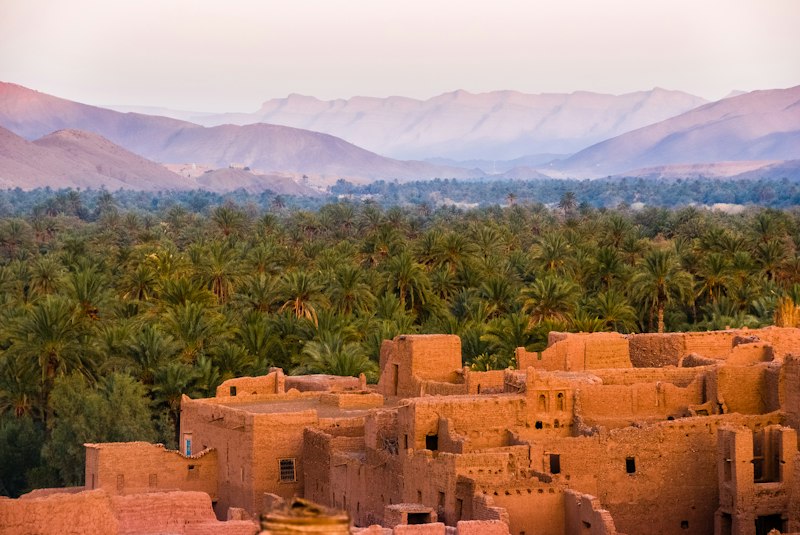
Marrakech
Marrakech offers the most sensory-intense luxury experience we assess, with extraordinary riad accommodation, vibrant culture, and Atlas Mountain proximity at remarkable value. However, our analysis is notably frank about the security and medical challenges that require preparation and cultural awareness. For the informed traveller, Marrakech rewards deeply; for the unprepared, it can overwhelm.
5-Pillar Framework
Intelligence Overview
Security
Health
Communications
Amenities
Logistics
Detailed Analysis
Pillar Breakdown
Security
Risk assessment & protocols
Marrakech requires honest assessment. Morocco has invested heavily in tourism security, with dedicated tourist police in key areas. The major palace hotels (Royal Mansour, La Mamounia) provide excellent internal security. However, the medina presents challenges: aggressive touts, persistent vendors, and occasional scam attempts targeting tourists are common. Petty theft occurs, particularly in crowded souk areas. Solo female travellers face unwanted attention that ranges from annoying to intimidating, though violent crime against tourists remains rare. The new town (Gueliz) and hotel zones feel significantly different from the medina. Travelling with a local guide dramatically improves the security experience.
Highlights
- Dedicated tourist police in key areas
- Palace hotels provide excellent internal security
- Violent crime against tourists is rare
- Morocco has invested significantly in tourism security
Considerations
- Aggressive touting and persistent vendors in medina
- Petty theft in crowded souk areas
- Solo female travellers face unwanted attention
- Scam attempts targeting tourists are common
- Navigation confusion in medina can create vulnerability
Health
Medical infrastructure
Medical infrastructure in Marrakech is adequate for routine care but limited for serious cases. The private Clinique Internationale de Marrakech provides reasonable care for common ailments and stabilisation. Pharmacies are numerous and well-stocked for basic medications. However, complex trauma, cardiac events, or surgical emergencies ideally require evacuation to European hospitals — Casablanca has better facilities, and air evacuation to Spain or France is the protocol for serious cases. Gastro-intestinal issues are the most common traveller health concern; food and water hygiene varies significantly between establishments.
Highlights
- Private Clinique Internationale for routine care
- Numerous well-stocked pharmacies
- European air evacuation protocols established
- Premium hotels have first-aid capabilities
Considerations
- Limited capability for complex medical cases
- Serious cases require evacuation to Europe
- Gastro-intestinal illness risk from food and water
- Heat-related illness risk in summer months
- Rural Atlas Mountain areas have minimal medical access
Communications
Connectivity & access
Mobile coverage in Marrakech city is generally good, with Maroc Telecom, Orange, and Inwi providing reliable 4G in the medina and new town. WiFi quality varies significantly — palace hotels offer excellent connectivity while smaller riads may have slow or intermittent service. The Atlas Mountains have patchy coverage once you leave main routes, with significant dead zones at altitude. Within the city, most restaurants and cafes offer WiFi. Coverage in the Agafay desert (popular for glamping) depends on the camp operator's investment.
Highlights
- Reliable 4G in city centre and new town
- Palace hotels offer excellent WiFi
- Most restaurants and cafes have connectivity
- City coverage is comprehensive
Considerations
- Smaller riads may have slow WiFi
- Atlas Mountain coverage is patchy at altitude
- Desert camps vary in connectivity
- Medina depth can occasionally affect signal
Amenities
Service excellence
Marrakech punches well above its price point on amenities. The riad experience — staying in a restored palace courtyard with plunge pool, rooftop terrace, and personalised service — is distinctive and compelling. Royal Mansour's 53 private riads with tunnel-connected butler service represent luxury architecture at its most inventive. La Mamounia's gardens and Churchill suite carry genuine historical weight. The hammam tradition offers authentic wellness experiences. Dining ranges from extraordinary street food at Jemaa el-Fnaa to refined Moroccan and French cuisine. The souks provide genuine artisan crafts. The Atlas Mountains add trekking, Berber culture, and properties like Kasbah Tamadot.
Highlights
- Riad architecture — unique and compelling luxury concept
- Royal Mansour — among the world's most inventive hotels
- Authentic hammam wellness tradition
- Extraordinary food scene from street to fine dining
- Genuine artisan crafts in the souks
- Atlas Mountains within day-trip distance
Considerations
- Quality varies enormously between establishments
- Souk shopping requires negotiation skills
- Some tourist-oriented experiences lack authenticity
- Restaurant hygiene standards are inconsistent
Logistics
Transport & accessibility
Marrakech Menara Airport receives direct international flights from most European hubs. The airport is modern and reasonably efficient. Transfer to the medina takes 15-30 minutes depending on traffic. Within the medina, navigation is the primary logistics challenge — the narrow lanes are vehicle-free, and orientation takes practice. Premium properties provide meet-and-greet airport services and medina navigation assistance. The Atlas Mountains are 60-90 minutes by road. Grand taxis and private drivers are affordable and widely available. The new high-speed train connects Marrakech to Casablanca and Tangier.
Highlights
- Direct international flights from European hubs
- Modern airport with reasonable efficiency
- Affordable private driver services
- High-speed rail to Casablanca
- Premium hotels provide navigation assistance
Considerations
- Medina navigation is genuinely challenging for newcomers
- Traffic congestion around medina gates
- Taxi negotiation required without hotel arrangement
- Atlas Mountain roads can be challenging in winter